Mill Lubrication Program Case Study: Bulk Bearing Supplier
Most bearing failures in steel mills are not caused by defective metal, but by dry friction from mismatched lubrication.
The root cause of premature bearing failure in heavy-load steel mill applications is rarely a manufacturing defect in the bearing itself. Instead, it is predominantly driven by improper lubrication matching, where incorrect grease selection or blocked oil routes lead to dry friction that destroys cages and raceways. Effective maintenance requires auditing lubrication paths and matching grease viscosity to operating temperatures before selecting replacement bearings. A strategic approach involving traceable, mixed-brand sourcing ensures rapid restoration of operations while controlling costs.
I still remember the heat radiating off the continuous caster at a specialty steel plant in southern China. The air smelled of burnt oil and hot metal. I was standing next to a pile of scrap metal that used to be a set of premium spherical roller bearings. The plant manager was furious, holding a fractured cage in his hand, ready to file a claim for quality defects. He insisted the bearings were substandard because they had failed within two months of installation. I picked up the remnants, running my thumb over the scorched raceway. The metal wasn’t cracked from fatigue; it was worn smooth, polished by absence. There was no grease left. The original lubricant had carbonized under the high temperature, turning into a hard varnish that blocked the oil channels. The rollers had been running on dry metal against metal. That day, I learned that selling bearings is not just about handing over a box with a part number. It is about understanding the environment those bearings live in. If the lubrication program is flawed, even the most expensive bearing will fail. This insight shifted my focus from merely supplying parts to analyzing the entire maintenance ecosystem. [NEED_CITE: common failure modes in metallurgical industry per ISO 15243]
Why Do Bearings Fail Prematurely in Steel Mills?
Dry friction from wrong grease, not just quality defects, is the primary driver of early bearing failure in steel production environments.
In heavy industry, especially in metallurgy, the assumption that “premium brand equals longer life” is often misleading. Many operators blame the bearing manufacturer when a unit fails, but the real culprit is frequently the lubrication strategy. Steel mills present extreme conditions: high temperatures, heavy loads, and contamination from water and scale. Under these conditions, the wrong grease does not just lose effectiveness; it actively harms the bearing.
When grease is selected without considering the operating temperature range, it can separate, bleed out, or carbonize. In continuous casters, where temperatures fluctuate wildly, standard lithium-based greases often break down. Once the base oil evaporates or degrades, the thickener remains as a solid blockage. This prevents fresh lubricant from reaching the rolling elements. The result is direct metal-to-metal contact. The friction generates excessive heat, which further degrades any remaining lubricant, creating a vicious cycle that ends in catastrophic failure.
| Failure Factor | Impact on Bearing Life | Mitigation Strategy |
|---|---|---|
| Incorrect Grease Type | Noticeably reduced service life due to thermal breakdown | Match grease base oil viscosity to operating temperature |
| Blocked Oil Routes | Complete failure from dry friction and cage wear | Routine audit of lubrication paths and cleaning schedules |
| Contamination | Accelerated fatigue and surface spalling | Use seals compatible with environment and regular filtration |
This pattern is consistent across many facilities. A European wind farm operator once reported similar issues with gearbox bearings, where the wrong additive package reacted with seal materials, leading to leaks and subsequent dry running. In steel mills, the consequence is even more severe due to the sheer load involved. The cage, usually made of brass or steel, is the first component to suffer. Without a lubricating film, the rollers skew and grind against the cage pockets. Within hours, the cage disintegrates, locking the bearing solid.
Understanding this mechanism changes how we approach replacement. It is not enough to order a bearing with the same part number. We must ask: What was running in it before? Why did it fail? If the previous lubricant was unsuitable, installing a new bearing with the same maintenance routine will only repeat the failure. This is why technical consultation is critical during the sourcing phase. A reliable bulk bearing supplier does not just ship boxes; they help verify that the replacement solution matches the actual operating conditions. [NEED_CITE: guidelines for lubricant selection in heavy industry]
How to Audit On-Site Lubrication Routes?
Checking oil paths and maintenance records precedes bearing selection to ensure long-term reliability.
Before specifying a new bearing, the most effective step is to audit the existing lubrication infrastructure. Many plants have automated lubrication systems that appear functional on the control panel but are blocked or leaking in reality. A visual inspection of the bearing housing often reveals more than vibration analysis alone. Look for signs of grease purge, discoloration, or hardened deposits around the seals. These are indicators that the lubricant is not circulating correctly.
The audit process should begin with a review of maintenance logs. Are lubrication intervals based on manufacturer recommendations or actual operating hours? In high-dust environments like steel mills, intervals often need to be shorter. However, over-lubrication can be just as damaging as under-lubrication. Excess grease creates churning resistance, generating heat that degrades the lubricant faster. The key is finding the balance specific to the application.
- Inspect Delivery Lines: Check for kinks, cracks, or blockages in the tubing leading to the bearing. Ensure that the grease gun or pump pressure is sufficient to overcome any backpressure from hardened old grease.
- Verify Grease Compatibility: If changing grease types, ensure the new lubricant is compatible with the residual old grease. Incompatible thickeners can react to form a solid mass, blocking all flow. Consult compatibility charts before mixing. [NEED_CITE: grease compatibility standards from NLGI]
- Analyze Temperature Profiles: Use infrared thermography to identify hot spots. A bearing running significantly hotter than its neighbors may indicate lubrication starvation or excess.
- Review Seal Condition: Damaged seals allow contaminants in and grease out. Ensure seals are intact and suitable for the specific contaminant profile of the area.
A case from a Middle East steel mill illustrates the value of this audit. The facility experienced repeated failures in their roughing mill stands. Instead of immediately replacing the bearings with a higher-rated model, the maintenance team traced the lubrication lines. They discovered that the central lubrication system w* the long delivery hoses during cold starts. By adjusting the pump settings and installing check valves, they ensured consistent grease delivery. The bearing failure rate dropped noticeably without changing the bearing brand or type. This highlights that the infrastructure supporting the bearing is as critical as the bearing itself.
What Does a Successful Lubrication Program Look Like?
Matching grease to temperature and load conditions cuts failure rates significantly and extends maintenance intervals.
A successful lubrication program is not static; it is dynamic and responsive to operational changes. It involves selecting the right grease base oil viscosity, thickener type, and additives for the specific application. For high-temperature applications like continuous casters, synthetic base oils with high thermal stability are essential. Polyurea or complex aluminum thickeners often perform better than simple lithium soaps in these environments.
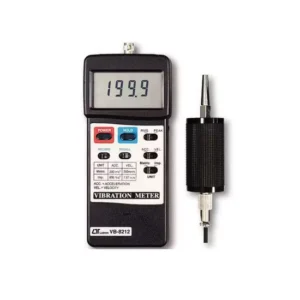
The program must also include regular monitoring. Vibration analysis can detect early signs of lubrication issues, such as increased friction or cage instability. By establishing baseline vibration signatures, maintenance teams can identify deviations before they lead to failure. Oil analysis, where applicable, provides data on contamination levels and additive depletion.
Furthermore, training personnel is crucial. Maintenance staff must understand the importance of cleanliness during lubrication. Introducing dirt or moisture during greasing can negate the benefits of high-quality lubricants. Proper storage of grease drums and clean dispensing equipment are simple but vital components of the program.
In one instance, a cement plant in Southeast Asia implemented a structured lubrication audit. They categorized all bearings by criticality and operating conditions. For critical high-load bearings, they switched to a specialized synthetic grease with extreme pressure additives. For less critical applications, they optimized the relubrication intervals based on actual usage rather than calendar dates. The result was a substantial extension in bearing service life and a reduction in unplanned downtime. The cost savings from reduced replacements and labor far outweighed the investment in higher-grade lubricants. [NEED_CITE: best practices for industrial lubrication management]
How to Source Reliable Replacement Bearings?
Traceable, mixed-brand sourcing ensures fast, cost-effective MRO solutions for urgent maintenance needs.
When a bearing fails despite optimal lubrication, or when a upgrade is necessary, sourcing the right replacement quickly is critical. Downtime in a steel mill costs thousands per hour. Waiting weeks for a single brand’s official channel to deliver is often not an option. This is where a flexible, multi-brand sourcing strategy becomes invaluable.
A professional bulk bearing supplier offers access to a wide range of brands, including premium global names like SKF, FAG, NSK, and TIMKEN, as well as reliable domestic options like ZWZ and HRB. This diversity allows for tailored solutions. For critical, high-speed applications, a premium brand might be necessary. For slower, heavily loaded positions where cost is a factor, a high-quality domestic brand may provide sufficient performance at a lower cost.
The key advantage of such a supplier is traceability. Every bearing should come with complete documentation proving its origin. Counterfeit bearings are a significant risk in the global market, and using them can lead to catastrophic failures. A reputable supplier provides certificates of authenticity and material test reports upon request. This ensures that the bearing meets the specified standards, whether it is P0, P6, or higher precision classes.
Moreover, mixed-brand sourcing allows for consolidation. Instead of managing multiple suppliers for different brands, a plant can source all its needs from one partner. This simplifies logistics, reduces shipping costs, and streamlines inventory management. For urgent MRO requirements, having a supplier with massive spot inventory means that parts can be shipped immediately, minimizing downtime.
Technical support is another critical aspect. When selecting a replacement, especially if switching brands or types, engineering guidance is essential. A good supplier provides cross-reference services, helping to identify equivalent models that meet the dimensional and load requirements of the original specification. This support ensures that the replacement bearing fits and functions correctly, avoiding costly installation errors.
Conclusion
Proper lubrication matching and strategic sourcing are the keys to minimizing unplanned downtime in steel mills.
Bearing failures are often symptoms of deeper maintenance issues, particularly related to lubrication. By auditing oil routes, selecting appropriate greases, and implementing regular monitoring, plants can significantly extend bearing life. When replacements are needed, partnering with a traceable, multi-brand bulk bearing supplier ensures rapid access to genuine parts and technical expertise. This holistic approach transforms maintenance from a reactive cost center into a proactive strategy for operational reliability.
Have a shutdown list?
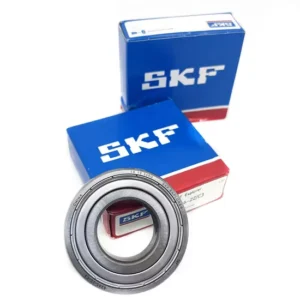
Send the whole list in one message. Spare Parts Company quotes each SKF bearing and its accessories line by line, with availability and estimated lead time.