Seals & Lubricants MOQ: Global Bearing Supplier
Most buyers assume higher minimum order quantities guarantee lower unit costs, but forced full-container lubricant orders often create leakage risks that wipe out those savings entirely.
The standard MOQ for industrial seals and lubricants varies significantly by brand, yet flexible suppliers offer single-unit to full-container options to prevent transit damage and optimize procurement costs. By consolidating bearings, seals, and lubricants through professional mixed-packing protocols, regional distributors and MRO operators can bypass rigid thresholds without risking cargo integrity. This approach ensures that urgent spare parts and routine restocking meet logistical safety standards while maintaining cost efficiency.
I still remember the humidity in Yantian Port during a particularly rainy season. A client from the Middle East needed several sets of large spherical roller bearings, accompanied by dozens of drums of lubricant and a pile of seals. The original manufacturer refused the order due to insufficient MOQ, and when we finally managed to force a less-than-container load consolidation, the lubricant leaked. The oil soaked into the wooden crates of the precision bearings, leading to immediate customs detention and a total loss claim. That incident was not just a financial hit; it was a lesson in how improper mixing of liquid and solid cargo destroys value. Since then, I have focused on mastering the art of combining different brands and specifications of bearings with sealing solutions and lubricants into a single, safe shipment. [NEED_CITE: common causes of cargo damage in mixed LCL shipments]
This experience drives the need for a smarter approach to procurement. Instead of viewing seals and lubricants as separate logistical burdens, they should be integrated into a cohesive shipping strategy that respects both chemical safety regulations and mechanical precision requirements.
What is the standard MOQ for industrial seals and lubricants?
Standard MOQs are not fixed universal constants but vary by brand policy, with flexible suppliers offering single-unit to full-container options to accommodate diverse buyer needs.
Many procurement managers operate under the assumption that buying in bulk is always the most economical route. However, the reality of the global bearing supply chain is more nuanced. Major international brands often set high minimum order quantities for lubricants and seals to streamline their own logistics, which forces buyers to either overstock slow-moving items or face rejection for small, urgent orders. For a regional distributor in Southeast Asia or an MRO operator in Latin America, this rigidity creates a bottleneck. They may need only a few specific seal kits and a couple of drums of grease for an emergency repair, but the supplier demands a full pallet or container.
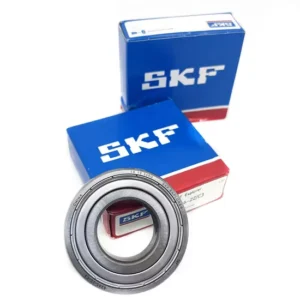
The solution lies in working with a global bearing supplier who understands the intricacies of mixed consolidation. By leveraging flexible MOQ policies, buyers can source genuine products from premium brands like SKF, FAG, INA, NSK, and TIMKEN without being tied to excessive volume commitments. This flexibility extends to domestic Chinese bearing lines as well, allowing for a hybrid sourcing strategy that balances cost and availability. [NEED_CITE: industry trends in flexible MOQ for industrial components]
When evaluating a Seals & Lubricants MOQ: Global Bearing Supplier, look for partners who can handle single-unit emergency spare-part orders alongside full container consolidation shipments. This capability is crucial for maintaining lean inventory levels while ensuring that critical maintenance tasks are not delayed by arbitrary ordering thresholds. The ability to mix brands and sizes in a single package provides a competitive edge, especially for clients who serve diverse industrial sectors ranging from mining to automotive after-market services.
Why do rigid MOQs cause shipping disasters for mixed cargo?
Improper packing of liquids with precision bearings leads to leakage and total cargo loss, turning perceived savings into significant financial liabilities.
The primary risk associated with rigid MOQs is the temptation to force incompatible goods into the same shipping space to meet volume requirements. Lubricants are classified as liquid cargo, and their packaging must adhere to strict international maritime dangerous goods codes. When a buyer is forced to order a full container of lubricant to meet a supplier’s threshold, they often end up storing excess stock that degrades over time or attempting to ship it alongside sensitive mechanical parts without adequate protection.
In a typical port loading scenario, mixed less-than-container load shipments of bearings and lubricants can result in catastrophic leakage if not handled correctly. The vibration and movement during transit can compromise seals on lubricant containers, allowing oil or grease to escape. If these liquids come into contact with precision bearings, such as deep-groove ball bearings or angular contact ball bearings, the contamination renders them unusable. The cost of compensating for damaged goods far exceeds any initial discount gained from meeting the high MOQ. [NEED_CITE: IMDG code requirements for liquid cargo packaging]
A professional Seals & Lubricants MOQ: Global Bearing Supplier mitigates this risk by implementing rigorous packing standards. This includes using UN-certified packaging for lubricants and ensuring that heavy and light goods are distributed evenly within the container. By avoiding the pressure to fill a container solely with liquids, buyers can opt for mixed shipments that balance weight and volume, reducing the likelihood of structural failure in packaging. This approach not only protects the cargo but also simplifies customs declaration by ensuring that HS codes for mechanical parts and chemicals are matched correctly.
How to safely consolidate bearings, seals, and lubricants in one shipment?
Professional palletizing, secondary containment, and weight distribution protocols ensure safe LCL transit for mixed industrial cargo.
Consolidating different types of industrial supplies requires a deep understanding of logistics physics and regulatory compliance. It is not enough to simply place boxes of bearings next to drums of oil. The process begins with selecting the right packaging materials. Lubricants must be secured in leak-proof containers with secondary containment measures, such as absorbent pads and sealed plastic wraps, to catch any potential spills. Bearings, on the other hand, require sturdy wooden crates or reinforced cardboard boxes that can withstand stacking pressures.
The key to successful consolidation is weight distribution. Heavy items like large spherical roller bearings should be placed at the bottom of the pallet, while lighter items such as seals and small lubricant tubes are positioned on top. This prevents crushing and ensures stability during handling. Additionally, the use of stretch wrap and strapping bands helps to secure the entire load, minimizing movement during transit. [NEED_CITE: ISO packaging standards for mixed industrial goods]
For a Seals & Lubricants MOQ: Global Bearing Supplier, expertise in these protocols is non-negotiable. Clients benefit from partners who can provide technical selection support and ensure that all products meet ISO-compliant quality assurance standards. This level of attention to detail is particularly important for MRO operators who rely on fast lead times for urgent spare parts. By trusting a supplier with proven consolidation capabilities, buyers can reduce the risk of damage and ensure that their equipment remains operational without unexpected downtime.
What are the cost benefits of flexible MOQ mixed shipments?
Consolidating reduces freight costs and avoids forced overstocking of slow-moving liquids, optimizing overall procurement expenditure.
The financial advantage of flexible MOQs extends beyond the immediate purchase price. By consolidating multiple brands of seals and lubricants into one container, distributors can bypass high individual MOQs and achieve economies of scale in shipping. This method reduces the per-unit freight cost, making it more affordable to source genuine products from various manufacturers. Furthermore, it eliminates the need to hold excessive inventory of slow-moving items, freeing up capital for other business needs.
Consider the case of a European wind farm operator who needed to restock a variety of bearings and lubricants for routine maintenance. Instead of placing separate orders with multiple suppliers, they worked with a single partner to consolidate their requirements. This approach not only saved on shipping fees but also simplified the administrative burden of managing multiple invoices and customs documents. The result was a noticeable reduction in overall procurement costs and improved supply chain efficiency. [NEED_CITE: case studies on cost savings through consolidated LCL shipping]
For regional industrial bearing distributors, this model offers a competitive advantage in their local markets. They can offer wholesale-tier pricing to their customers while maintaining healthy margins, thanks to the reduced logistical overhead. A Seals & Lubricants MOQ: Global Bearing Supplier who offers one-stop sourcing solutions for mixed-brand, mixed-size bearing packages enables these distributors to respond quickly to market demands. Whether it is for bulk project orders or urgent maintenance requirements, the ability to mix and match products without penalty is a powerful tool for optimizing procurement strategies.
Conclusion
Flexible MOQs and professional consolidation transform logistical risks into strategic advantages for industrial buyers.
By prioritizing safe packing protocols and leveraging mixed-container solutions, companies can avoid the pitfalls of rigid ordering thresholds. This approach ensures that precision bearings and chemical supplies arrive in perfect condition, ready for immediate use. Partnering with a knowledgeable supplier allows businesses to streamline their supply chains, reduce costs, and maintain operational continuity across diverse industrial applications.
Have a shutdown list?
Send the whole list in one message. Spare Parts Company quotes each SKF bearing and its accessories line by line, with availability and estimated lead time.