Single-Point Lubricators Wholesale Supplier for Bulk MRO Orders
Most bearing failures in harsh environments are not caused by load, but by incorrect lubricator setup.
Proper single-point lubricator setup requires matching the lubricant viscosity and installation method to specific site conditions, such as extreme heat or heavy dust, to prevent premature bearing failure. Ignoring ambient temperature thresholds or seal compatibility leads to grease solidification or ingress, causing unplanned downtime that far exceeds the cost of the component itself.
I learned this the hard way in Riyadh. Supplying a batch of standard automatic lubricators for desert belt conveyors seemed straightforward until the ambient temperature hit fifty degrees Celsius. The grease inside didn’t just thin out; it separated and dried into a hard crust within months. The main bearings seized, halting production. That mid-six-figure loss taught me that MRO components are not universal plugs. They are precise engineering solutions that demand context. A Single-Point Lubricators Wholesale Supplier for Bulk MRO Orders must understand that the environment dictates the hardware, not the other way around.
Understanding these nuances is critical for maintenance engineers and distributors who need to minimize risk. Let’s break down the technical realities of setting up these systems correctly.
What Are the Critical Pre-Installation Checks?
Ambient temperature and dust levels are the primary drivers for lubricant selection, not just the bearing type.
Before mounting any device, you must assess the operating environment. In high-temperature zones, such as steel mills or desert mining sites, standard lithium-based greases can degrade rapidly. The viscosity-temperature curve becomes your most important tool. If the base oil viscosity drops too low at operating temperature, the lubricant film fails, leading to metal-to-metal contact. Conversely, in cold climates, grease can become too stiff to dispense, causing starvation.
Dust ingress is another silent killer. In crushing applications, fine particulate matter can bypass inadequate seals. If the lubricator does not maintain positive pressure correctly, or if the seal material is incompatible with the chemical composition of the dust, contaminants enter the bearing raceway. This abrasive wear accelerates fatigue failure significantly.
| Environmental Factor | Risk if Ignored | Recommended Action |
|---|---|---|
| High Ambient Temperature | Grease oxidation and drying | Use synthetic high-temp grease with verified thermal stability [NEED_CITE: thermal stability standards for synthetic greases] |
| Heavy Dust/Particulates | Seal abrasion and ingress | Verify IP rating of lubricator and use protective caps or shields |
| High Vibration | Dispensing mechanism failure | Select vibration-resistant models with mechanical drive or robust electronic controls |
| Chemical Exposure | Housing corrosion or seal swelling | Check chemical compatibility of lubricator body and seal materials |
A European wind farm operator once faced repeated generator bearing failures. The issue wasn’t the load; it was the moisture ingress combined with temperature cycling. By switching to a lubricator with better sealing integrity and a grease formulated for wet conditions, they extended service life meaningfully. This highlights why a reliable Single-Point Lubricators Wholesale Supplier for Bulk MRO Orders provides technical data sheets, not just part numbers.
How to Mount the Lubricator Correctly?
Vibration-free mounting and optimal distance from the bearing ensure accurate dispensing and prevent mechanical damage.
The physical installation of the lubricator is often overlooked. Many technicians mount the unit directly onto vibrating surfaces without damping. Over time, this vibration can crack the plastic housing or disrupt the internal driving mechanism, especially in piston-type units. The result is either no lubrication or an uncontrolled dump of grease.
Mounting brackets should be rigid and isolated from high-frequency vibration sources where possible. The distance between the lubricator outlet and the bearing inlet matters too. Long tubing runs increase backpressure, which can slow down or stop the dispensing rate. Short, direct paths are ideal. If long lines are necessary, ensure the tube diameter is sufficient to handle the grease consistency at the lowest expected temperature.
Another common error is ignoring the orientation. Some gravity-fed or gas-assisted units require specific mounting angles to function correctly. Installing them upside down or horizontally when designed for vertical use can lead to air locks or inconsistent flow. Always consult the manufacturer’s manual for orientation limits.
In a heavy-load steel mill application, rollers were failing due to inconsistent lubrication. The investigation revealed that the lubricators were mounted on a vibrating frame without isolation. The vibration had loosened the internal drive gears. Switching to a mechanically driven unit with a robust mounting bracket solved the issue. This case underscores the value of expert guidance from a knowledgeable Single-Point Lubricators Wholesale Supplier for Bulk MRO Orders.
How to Set the Dispensing Rate and Volume?
Calculating exact grease consumption prevents both starvation and over-lubrication, which are equally damaging.
Setting the discharge rate is not a guesswork exercise. It requires calculating the bearing’s grease replenishment volume based on its size, speed, and operating conditions. Over-lubrication causes churning, which generates heat and increases energy consumption. It can also blow out seals, allowing contaminants in. Under-lubrication leads to starved bearings and rapid wear.
The NLGI consistency grade of the grease affects the flow rate. Thicker greases (higher NLGI number) require more force to dispense and may flow slower through narrow tubes. Adjust the setting dial or electronic program accordingly. For variable speed applications, consider lubricators that can adjust rates dynamically or set the rate for the worst-case scenario (highest speed/load).
It is crucial to verify the actual output. Periodically check the amount of grease expelled over a set period to ensure it matches the setting. Environmental factors like temperature changes can alter the viscosity and thus the flow rate. Regular verification ensures the system performs as intended.
| Bearing Condition | Dispensing Strategy | Risk of Incorrect Setting |
|---|---|---|
| High Speed | Lower volume, frequent intervals | Over-lubrication leads to heat buildup |
| Heavy Load | Higher volume, adequate intervals | Starvation causes surface fatigue |
| Intermittent Operation | Adjust for idle periods | Grease hardening during idle times |
A mining crusher operator noticed excessive grease purging from the seals. The dispensing rate was set too high for the low-speed, high-torque application. Reducing the rate and switching to a heavier consistency grease stopped the purge and stabilized the bearing temperature. This adjustment saved significant cleanup costs and prevented seal damage. Such precision is why partnering with a trusted Single-Point Lubricators Wholesale Supplier for Bulk MRO Orders is essential for operational efficiency.
What Are the Common Setup Mistakes to Avoid?
Ignoring environmental factors leads to grease degradation and bearing seizure, often misdiagnosed as component failure.
One prevalent myth is that any grease works in any automatic lubricator. In reality, extreme heat requires specialized synthetic grease to prevent drying and oxidation. Using standard mineral-based grease in high-temperature zones results in rapid breakdown and loss of lubricity. Another misconception is that tighter sealing is always better. Over-sealing without proper breathers can cause pressure buildup inside the housing, leading to seal blowout when the grease expands due to heat.
Neglecting to check the expiration date of the grease cartridge is another frequent error. Old grease can separate or harden, clogging the dispenser. Always use fresh, compatible lubricants. Additionally, failing to protect the lubricator from direct sunlight or chemical splashes can degrade the housing material, causing leaks or structural failure.
Regular inspection is key. Look for signs of leakage, empty cartridges, or damaged tubing. Ensure the indicator pin or electronic signal reflects the actual status. Proactive maintenance prevents small issues from becoming major failures.
In a cement plant, multiple kiln bearings failed prematurely. The root cause was not the bearings themselves, but the use of incompatible grease that reacted with the high heat, forming acidic byproducts that corroded the raceways. Switching to a high-temperature synthetic grease and verifying compatibility with the lubricator materials resolved the issue. This experience highlights the importance of technical support from a competent Single-Point Lubricators Wholesale Supplier for Bulk MRO Orders.
Conclusion
Correct setup prevents failure; wrong setup guarantees it.
Single-point lubricators are powerful tools for maintaining bearing health, but only when configured correctly for the specific environment. Matching lubricant type, mounting method, and dispensing rate to site conditions is non-negotiable. Avoid common pitfalls like ignoring temperature effects or over-sealing. By focusing on these technical details, you ensure reliability and reduce unplanned downtime. For those sourcing these critical components, working with a knowledgeable Single-Point Lubricators Wholesale Supplier for Bulk MRO Orders ensures you get the right products and the technical backing needed for harsh industrial applications.
Have a shutdown list?
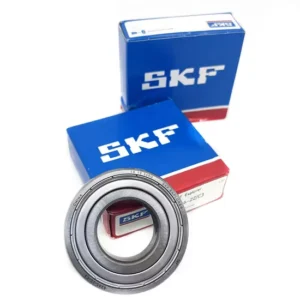
Send the whole list in one message. Spare Parts Company quotes each SKF bearing and its accessories line by line, with availability and estimated lead time.