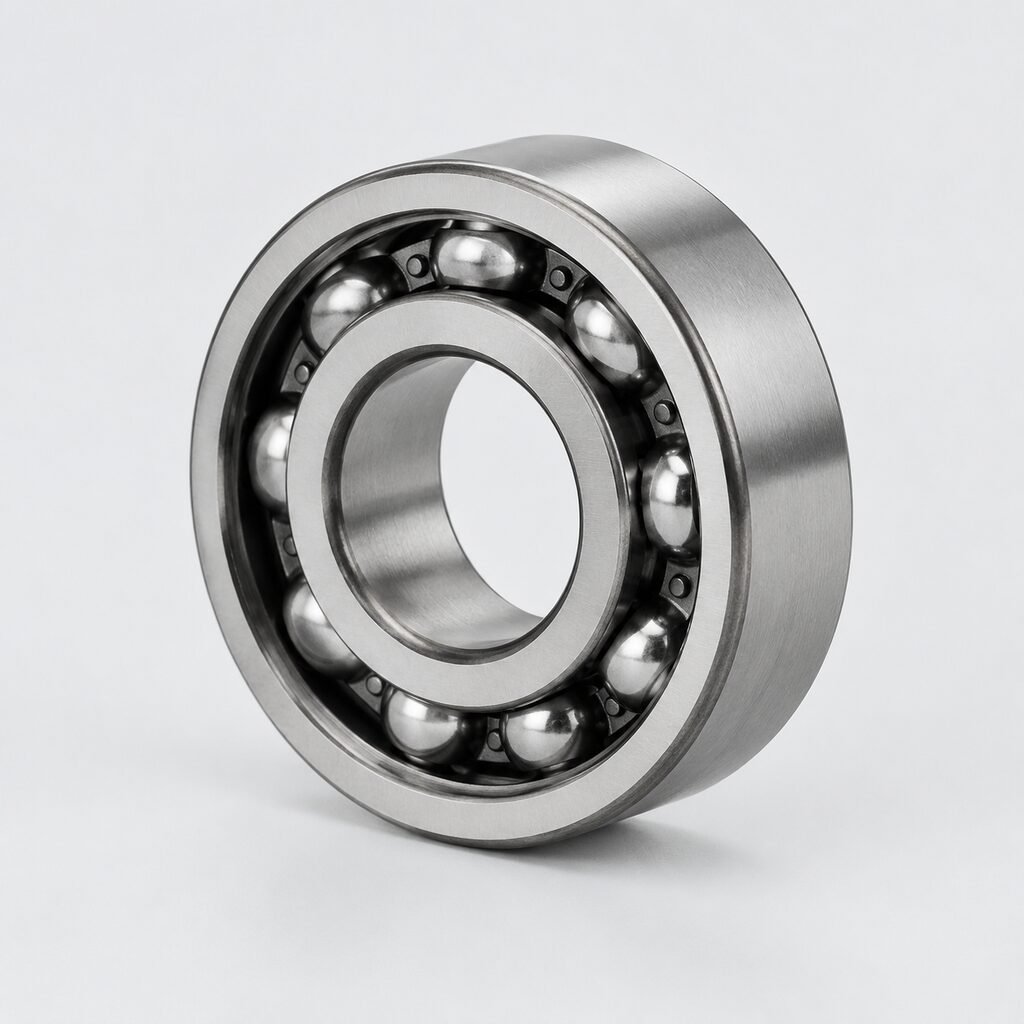
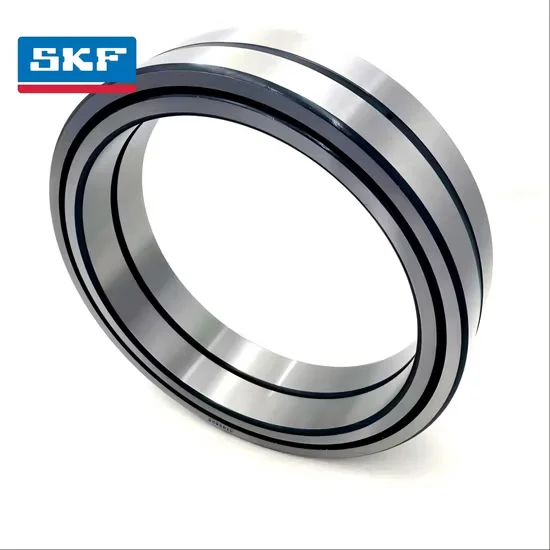
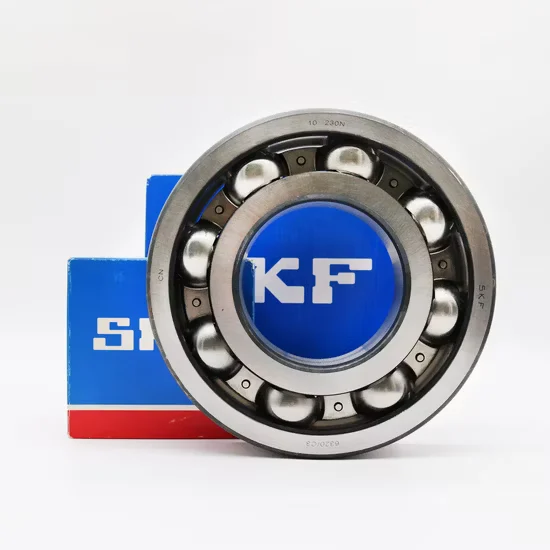
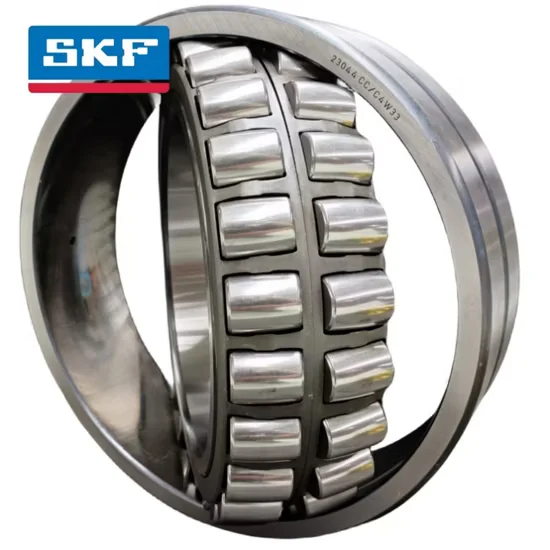
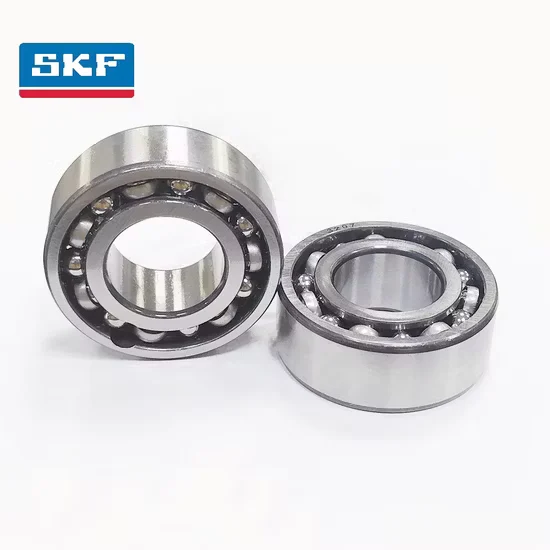
Electric motors and generators use bearings at the drive end and non-drive end of the rotor shaft, where they run at speed for long periods under heat from the windings. Noise, vibration, grease life and stray current damage are the common problems in service. Buyers look for the correct clearance and sealing so the replacement matches the original motor position.
- Match the internal clearance on the existing bearing, as motor shafts grow with heat and too little clearance raises running temperature.
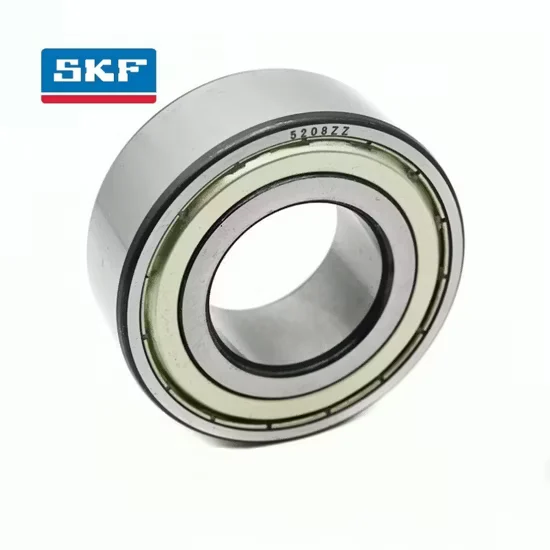
- Choose shielded or sealed versions according to the motor's relubrication design and the amount of dust around it.
- Consider electrically insulated bearings for inverter-driven motors where shaft currents can cause fluting on the raceways.
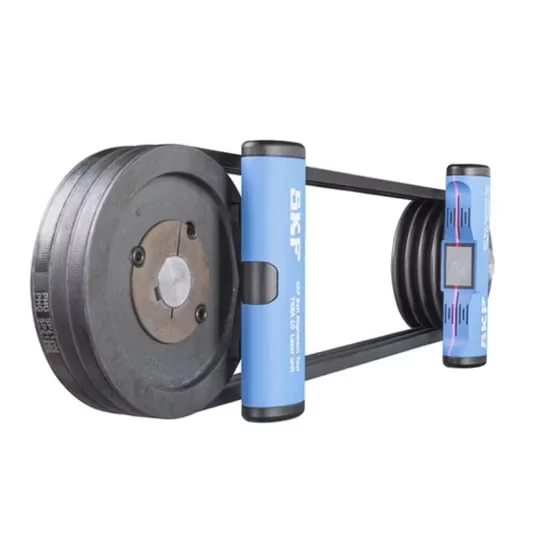
- Check whether the drive-end position carries belt or radial loads that call for a cylindrical roller bearing rather than a ball bearing.